

Presa House Gallery Interview
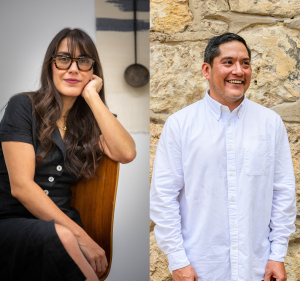
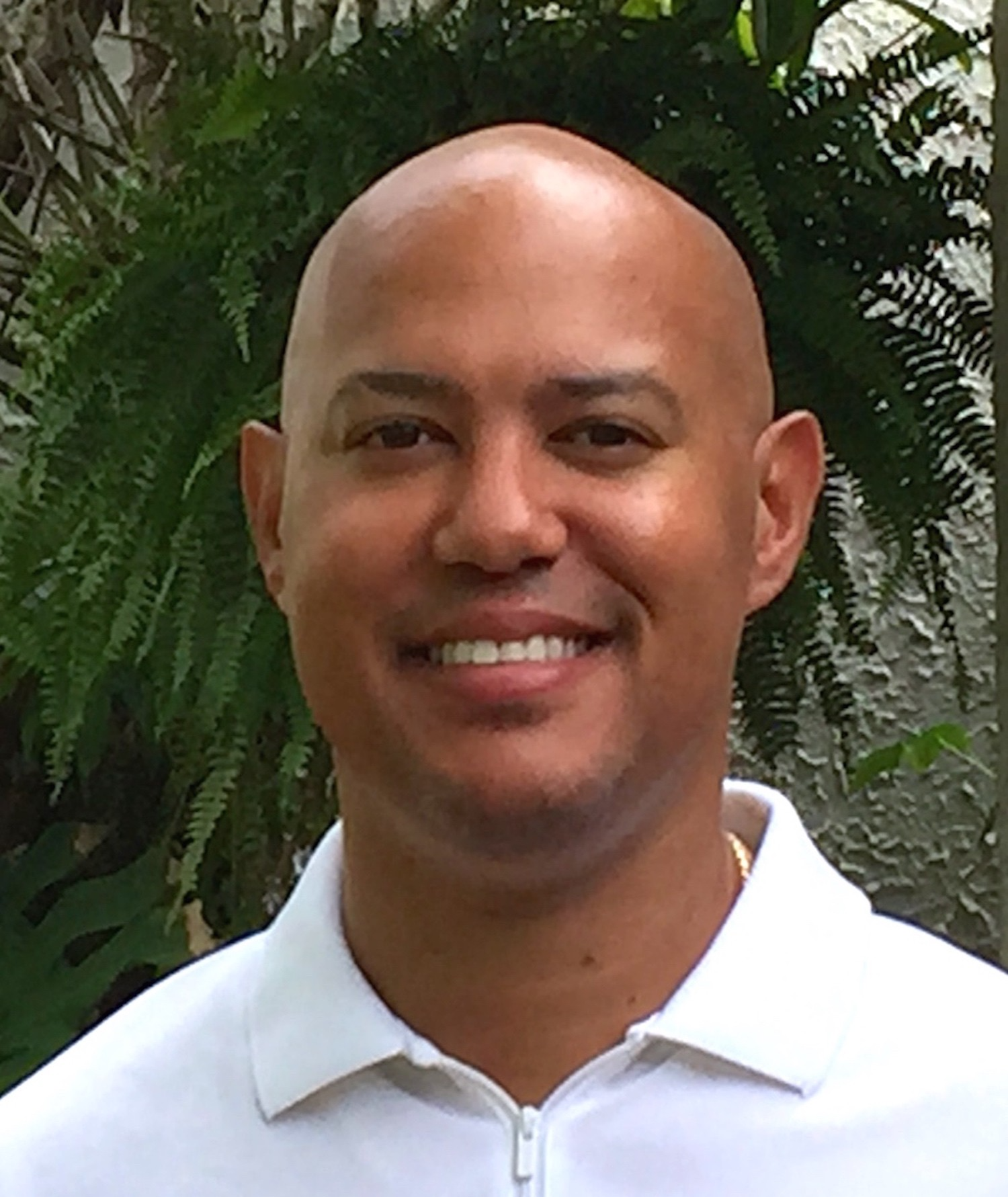
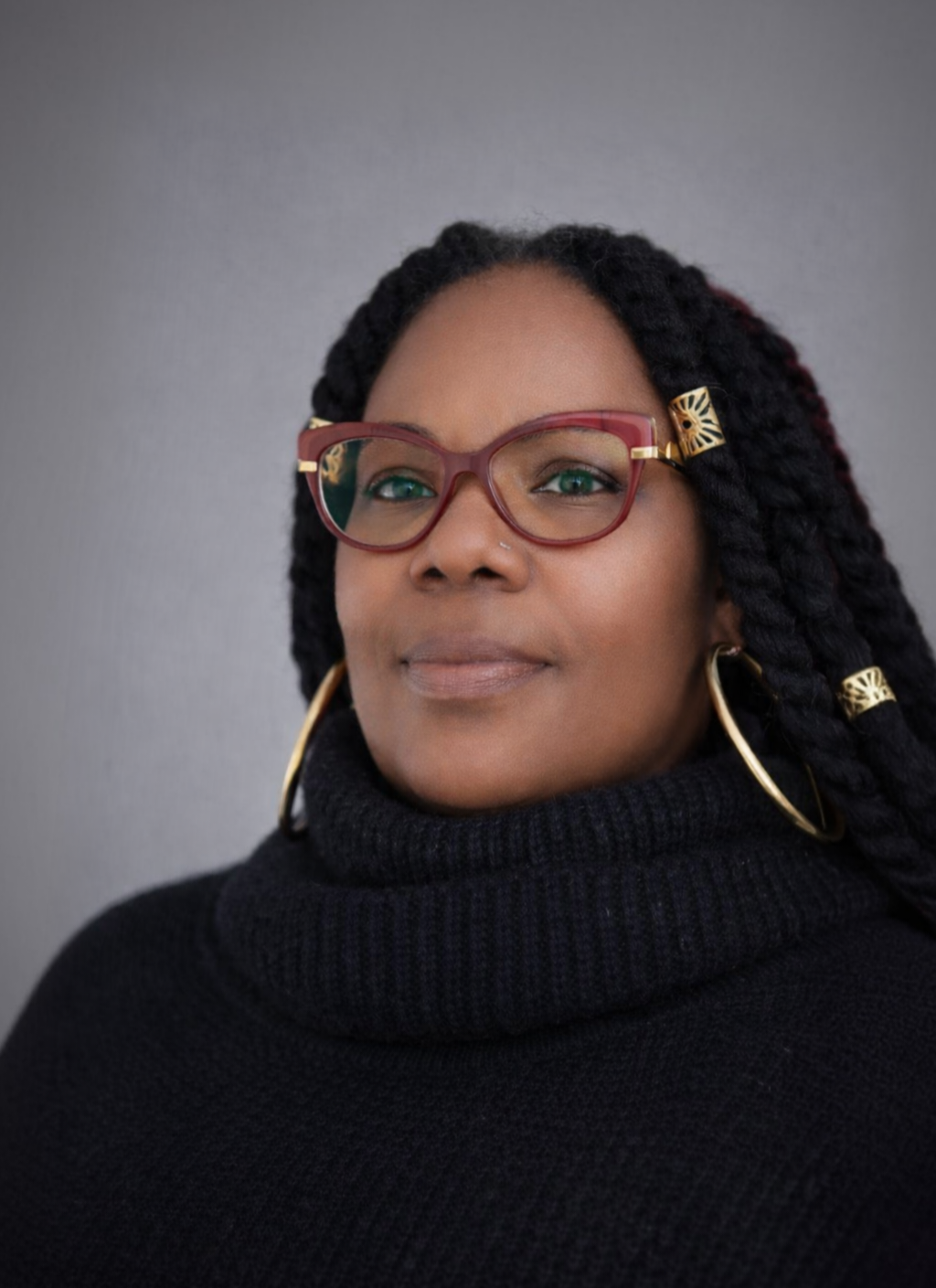
Rigoberto Luna: Portrait of a smiling man wearing a white button-down shirt, standing outdoors in front of a textured stone wall and looking slightly off to the side. Jenelle Esparza: Portrait of a woman with long dark hair and bangs, wearing glasses and a black outfit, resting her head on her hand while seated on a wooden chair indoors.
What does receiving an unrestricted grant at this particular moment make possible within your practice? Has it shifted the way you are thinking, working, or planning for what comes next?
Receiving this unrestricted grant at this time feels very affirming for years of work that, at times, felt unseen. As we approach our tenth year, we’ve been reflecting on how this space has shaped our lives. We started young, without a business plan, learning through doing, taking risks, failing, and persisting. Everything we’ve built in this home has come from that process. This support comes at a critical moment. After my time at NXTHVN and Jenelle’s recent promotion at the McNay Art Museum, we began to question what sustaining the gallery would look like and whether it was even possible. Like many artist-run spaces, we’ve navigated financial uncertainty and shifting capacities.
This grant creates breathing room. It allows us to think beyond survival and reconsider what we can offer. It shifts our focus from a cycle of exhibitions to a broader model of support, helping artists access acquisitions, grants, residencies, and opportunities that have often felt out of reach. More than anything, it allows us to continue with intention and imagine what the next phase of Presa House can be.
How is your practice responding to, reflecting, or pushing against the current cultural and political moment?
Our work has always been rooted in the realities of the social and political climate, particularly in the U.S.–Mexico borderlands. That hasn’t changed, and neither has the urgency. We organize exhibitions that engage migration, labor, identity, and cultural memory as lived conditions. In a moment when these conversations are often flattened, we hold space for nuance and complexity. At the same time, we resist focusing only on hardship. We also make space for what allows people to continue, to resist, and to move beyond the stereotypes placed on both the work and the communities they come from. I’m also thinking more critically about impact. Exhibitions are only one part of the work. I’m interested in how we advocate for artists and their communities beyond the gallery.
Collective care is central to Threewalls’s work. How does that idea take shape in your own practice or community right now, and what are you hoping to build, sustain, or imagine moving forward?
Collective care has always been central to Presa House, our practice is artist-driven and grounded in relationships. Without artists, there is no gallery. Being an artist can be isolating. Care can look like advocacy, helping navigate institutions and opportunities, or something simpler, being available, listening, and offering encouragement. Over time, what we’ve built is more than a program. It’s a network. Artists become part of an ecosystem where they connect, collaborate, and support one another across geographies and disciplines. Looking forward, I want to deepen and expand that network, bringing in artists from different parts of the world and creating conditions where artists feel supported, seen, and in dialogue with one another


Leave A Comment